They're Pricing Regular Guys Out of Fishing. One Engineer Decided to Do Something About It.
Written by Michael Roberts - Published on July 4th, 2026
In this article: why fishing got so expensive, where all that money actually goes — and the engineer who walked away from a big brand to do something about it.

Note: Read to the end and you'll also learn what causes backlashes — and the 30-second setup that ends them.
When did fishing get this expensive?
Serious question. Walk into a tackle shop with a hundred bucks and see how far it gets you. A spool of decent braid. A handful of lures. Maybe.
Rods cost what full setups used to. Line prices creep up every season. Lures are five, eight, twelve bucks apiece — and you know exactly where those go. Even the hooks got expensive. Add it all up and a hobby that used to run on pocket change now runs on a second paycheck.
It wasn't always like this. Fishing was the cheap escape. The one thing a working man could do every weekend without checking the account first. That was the whole point of it.
Somewhere along the line, somebody decided our escape should be priced like a country club.
And nowhere is it worse than reels. A reel used to be something you bought once a decade. Now the good ones are priced like a car payment — and I found out the hard way that the price isn't buying what it used to.
Because mine lasted.
MY OLD REEL
Ten years of early mornings on that reel. Every cast, every catch — never once let me down.
You know how it is. Some gear earns its place.
When it finally gave out — middle of a good day, of course — it felt like losing an old friend. But the season was on, and the decision was easy. Same brand. Same model. Pick up where we left off.
That was the plan.
SAME GEAR. TWICE THE PRICE. HALF THE QUALITY.
The price had doubled. I paid it anyway. Ten years of trust — I figured they'd earned it.
They hadn't.
The reel felt cheaper in the hand. It failed in ways my old one never did in a decade. Same model number, hollowed out from the inside.
I wasn't just disappointed. I felt played. I'd been loyal to that brand for ten years — and somewhere along the way, they decided my loyalty was something to cash in.
Maybe you've held that reel too. Half the guys I fish with have.

WHERE'S THE MONEY GOING? NOT INTO THE GEAR.
Here's what I found when I started digging.
There's about $40 of parts in a $200 reel. The other $160 buys things that will never catch you a fish: the sponsored pros, the TV spots, the shelf at the big-box store, the distributors lined up for their cut.
And it's the same story across the whole shop — the rods, the lures, the line. You're not paying for better gear. You're funding their ad budget. You're the sponsor now.
They're counting on us to keep paying it. To grumble at the register and swipe anyway. Because what are you gonna do — quit fishing?
That's the bet they're making. That we'll pay whatever it takes, because this hobby is who we are.
They're right about the second part.
So you've got two choices.
Let them have it — keep paying double for less, and watch a working man's hobby get priced like a rich man's one.
Or don't.
THE ENGINEER WHO SAID ENOUGH IS ENOUGH
That's how I found Obalus.
It was started by George Ferral — an engineer who spent years designing reels for one of the big names. So he knew exactly what goes into a good reel. And exactly how little of that $200 sticker is the reel.
Every year the prices climbed. The parts didn't get better. He watched regular anglers pay more and more to fund somebody's sponsorship deal — until he'd had enough.
He left. Started Obalus with one mission: build the reel honest, sell it for what a reel should cost, and keep this hobby where it belongs — with the people who actually fish.
No pros on the payroll. No ad campaigns. No big-box markup. Workshop to angler. That's the whole business model.
That's why his reel is $60. Not because it's built cheap — because for once, you're only paying for the reel.

FINE. BUT DOES IT BACKLASH?
That was my worry too. A cheap baitcaster that birdnests every third cast isn't a deal, it's a punishment.
So here's what actually causes a backlash: your spool spins faster than the line leaves it. Lure slows down mid-flight, spool doesn't, and the slack piles into a nest.
The fix is braking — done right.
The Obalus reel runs a magnetic brake with 24 settings. You match the spool to your cast — heavy lure, light lure, wind, whatever — and the spool physically can't outrun the line. First time I dialed it in: clean casts, no nest. I even threw a few ugly ones on purpose, trying to make it tangle.
It wouldn't.
The rest holds up the same. 8.1:1 gear ratio, so you pick up line fast. 12+1 bearings, smooth and quiet. A drag that handles real fish. Light enough that your wrist isn't cooked by noon.
George didn't cut corners. He cut everything that wasn't the reel.
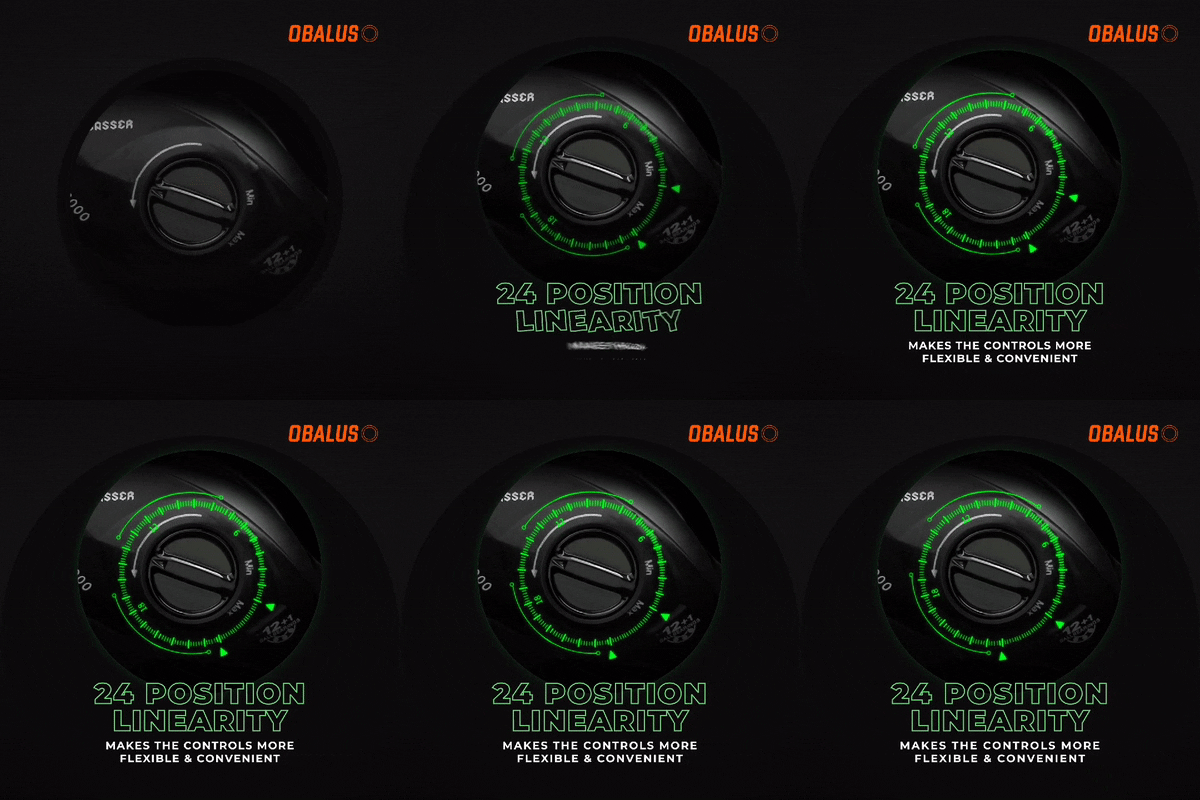
THREE REASONS IT EARNED ITS SPOT
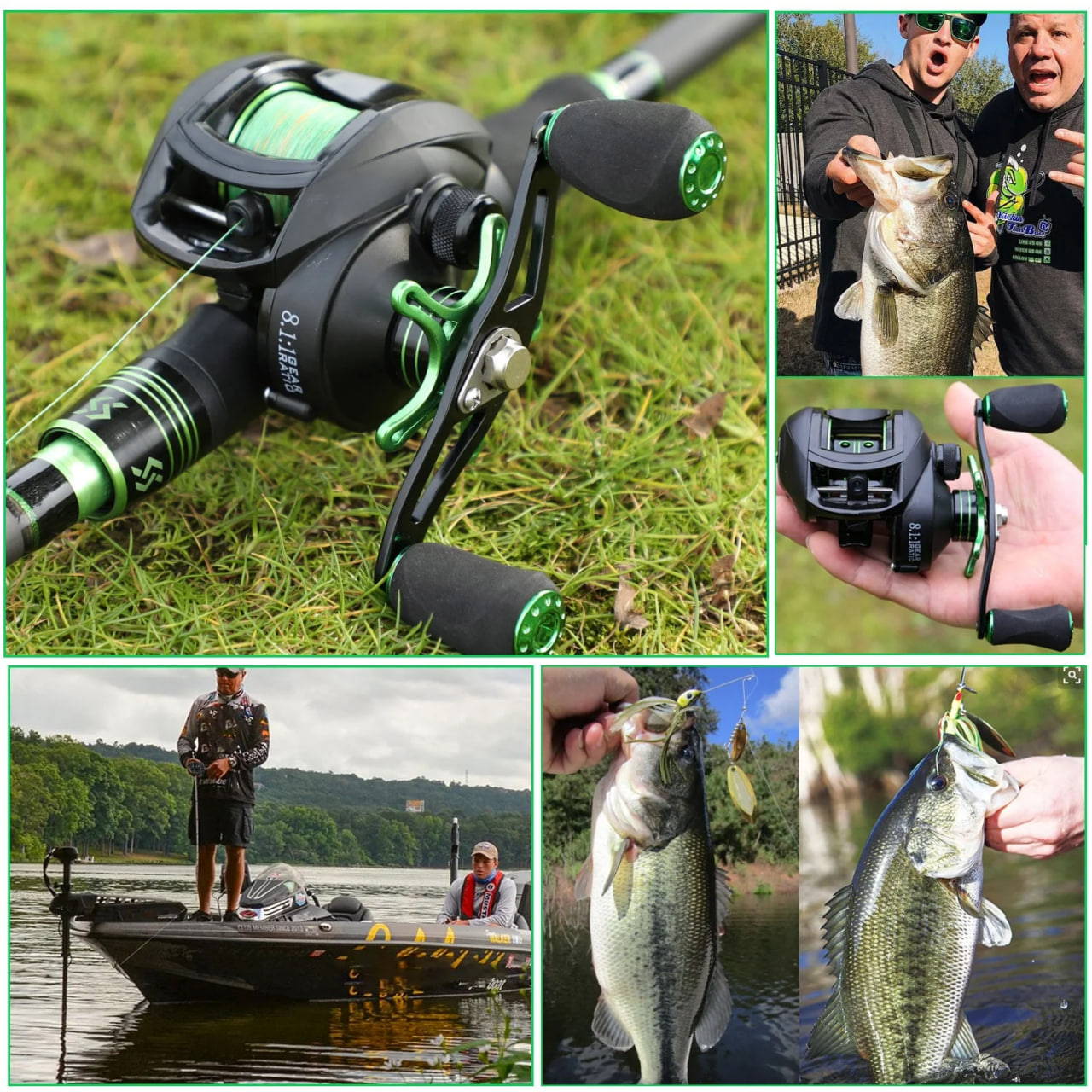
THE 30-SECOND SETUP
Setting up your Obalus Baitcast reel to minimize backlashes is crucial for a smooth fishing experience. Here's how to adjust your reel's settings step-by-step to avoid the dreaded "bird's nests".
Step 1: Set the Magnetic Brakes:
Step 2: Adjust the Spool Tension Knob:
Adjust the knob so the lure falls slowly and the spool stops spinning when the lure hits the ground.
Step 3: Fine-Tune as You Fish:
Test cast and adjust brakes or tension as needed.
Lighter lures generally require tighter settings.
Here's what I came home with: two reels — paid for one, Obalus sent the second free — a rod for half the price, and line that didn't cost a fortune.
All of it, everything, for less than half of what one Shimano would've run me.
Two full setups. Half a Shimano. Sit with that math for a second, because that math is the whole story.
My old brand decided ten years of loyalty was something to cash in. George Ferral built a company that bets the other way — that if you sell an honest reel at an honest price, guys like us will carry it further than any sponsored pro ever could.
I'm not telling you what to buy. I'm telling you the price they swear this hobby costs? It's a story. And you don't have to keep buying it.
I'm on the water every weekend now. Both reels earn their keep
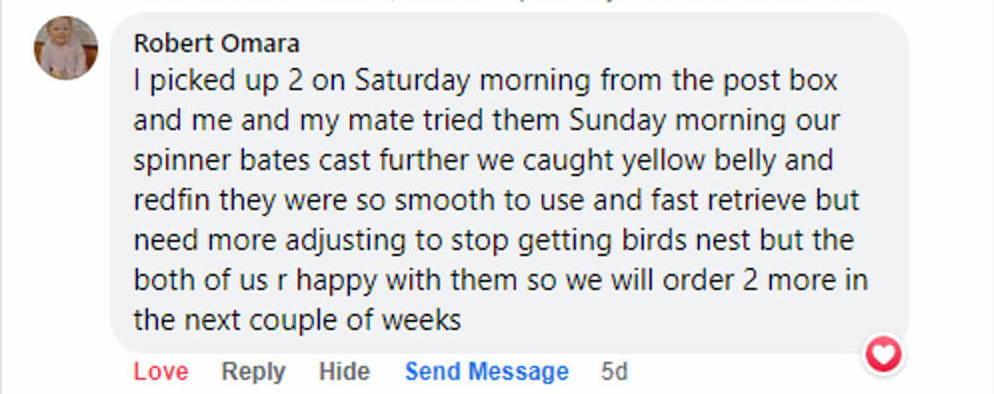
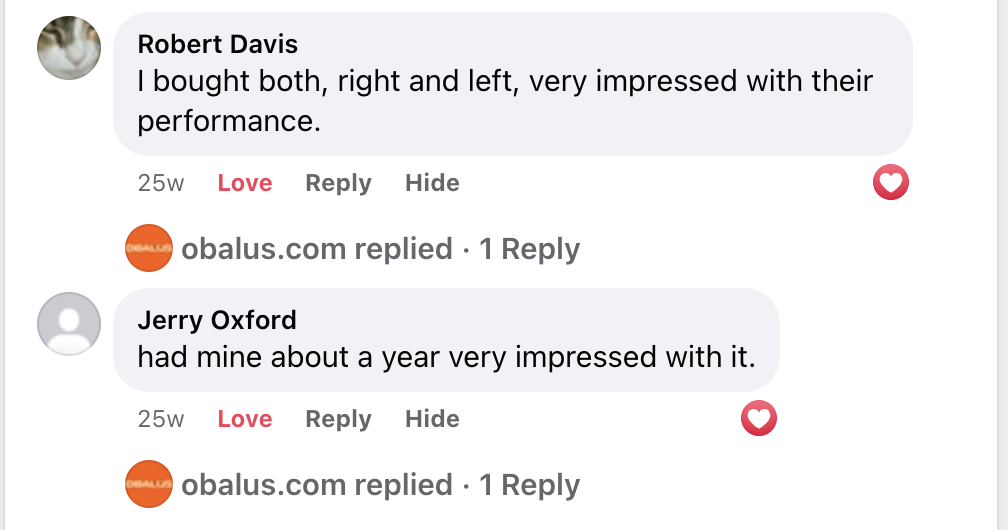
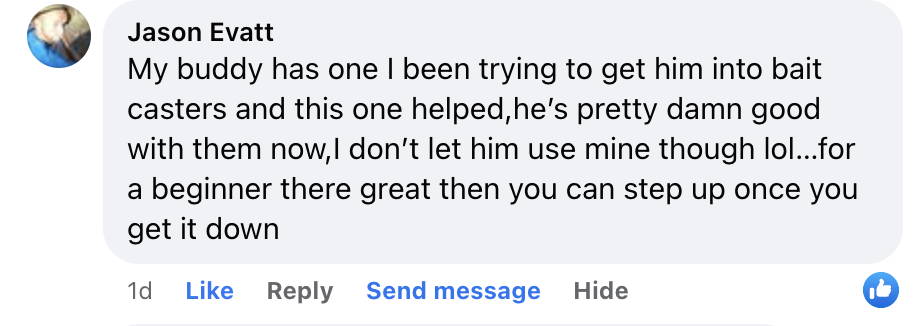
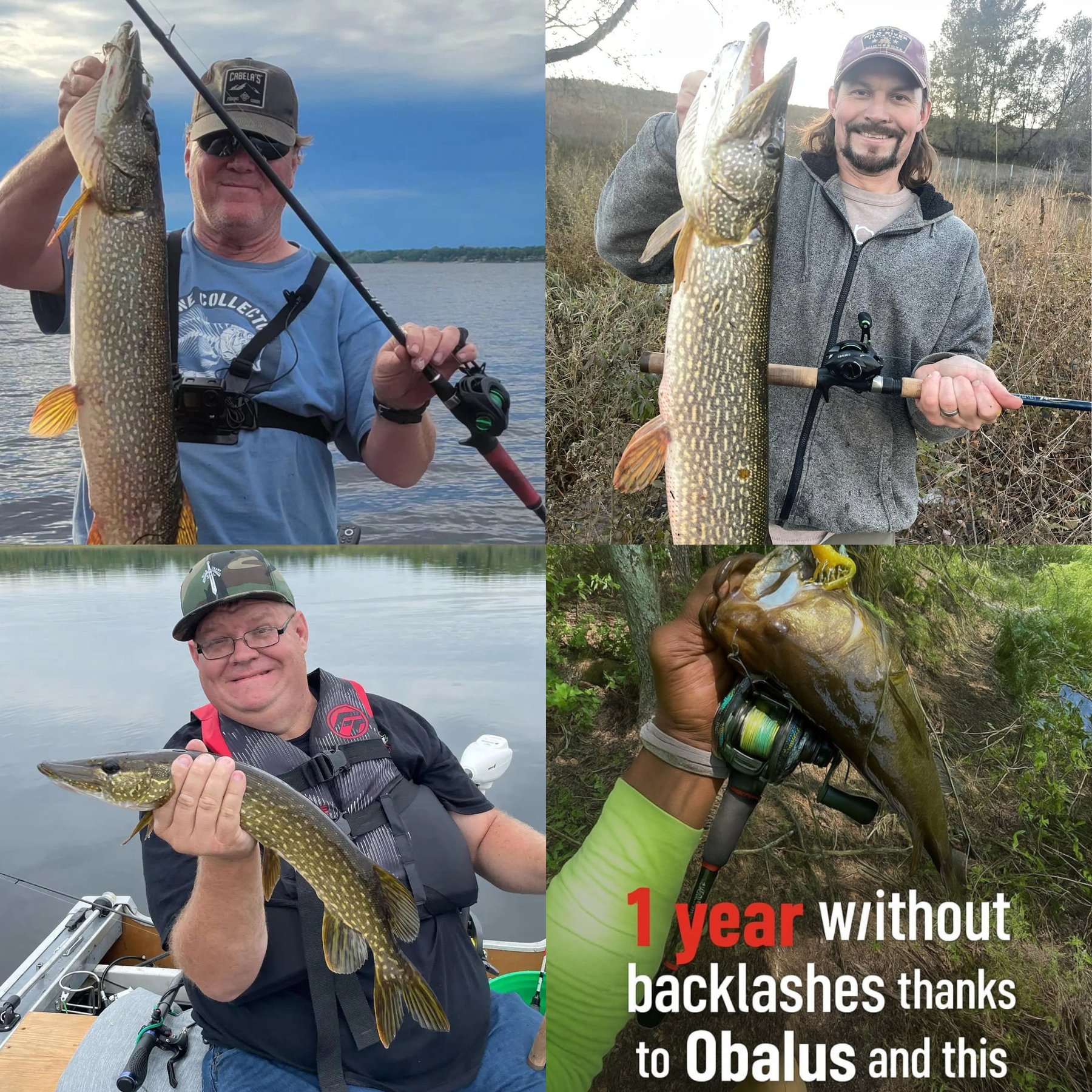
Don't Listen to Me But to the Thousands Who Are Loving the Obalus Baitcast Reel! Check Out What Some of Them Had to Say:
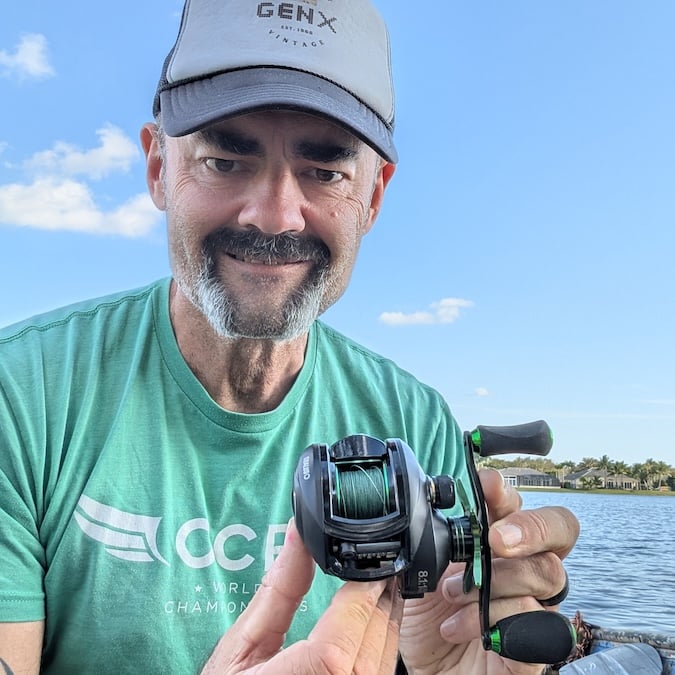
"This Reel certainly exceeded my expectations! Best value for money in this price category!"
Mark L

Verified Buyer

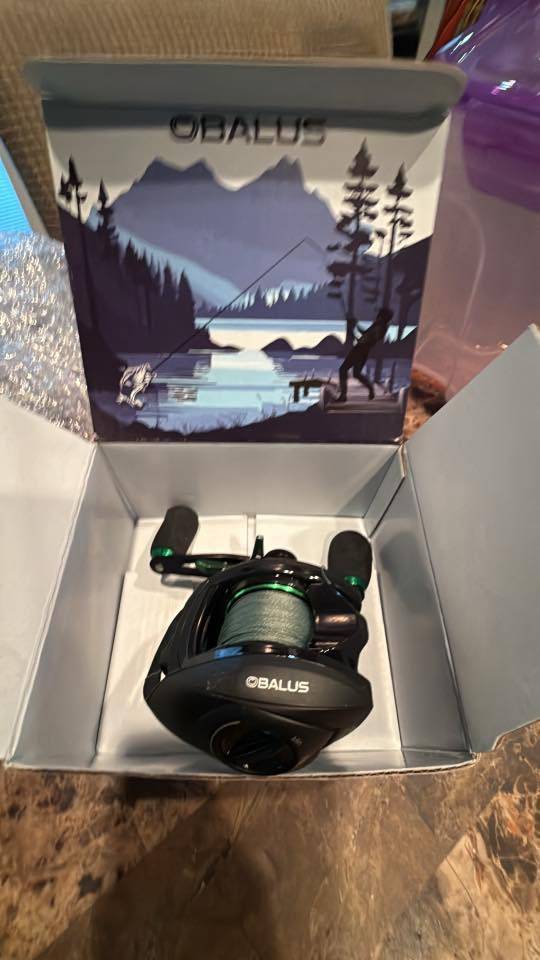
"I've been fishing for years, but I've never had a reel that's this reliable and durable. It's helped me catch some big fish and has become my go-to reel"
Hunter K
Verified Buyer

✔️ 30-Day Money-Back Guarantee
Today’s offer:
Get a free BEST-SELLING LURE with every purchase
For a limited time, grab our best-selling lure with every purchase and save 50% OFF MSRP!
Hurry up! Sale ends once the timer hits zero
Forget tangles and get a $200 Setup for just a fraction of the price!

Backlash-resistant design
Fast 8.1:1 gear ratio
18 lbs max drag
30 day risk-free trial
✔️ 30-Day Money-Back Guarantee
Hurry up! Sale ends once the timer hits zero